
Looking for alternatives to a coin pawn shop in San Antonio, TX? While pawn shops might seem like a quick option for selling coins, they often don’t offer the best prices. This article explores various avenues for getting fair value for your numismatic items, moving beyond the typical pawn shop experience. We’ll cover different types of assets and services that can provide a better return than a standard coin pawn shop alternative in San Antonio, TX.
Key Takeaways
- Consider specialized coin dealers or auction houses in San Antonio, TX, for potentially higher offers than pawn shops.
- Explore selling collectible stamps or bonds through dedicated markets or dealers.
- Research the value of stocks and other securities with financial advisors or online platforms before selling.
- Evaluate properties or leases with professional real estate agents or legal counsel for fair market assessment.
- Look into services that offer appraisals or consignment for your items to find a suitable coin pawn shop alternative in San Antonio, TX.
1. Dollar Coins
When thinking about alternatives to pawn shops for selling or getting cash for items, dollar coins might not be the first thing that comes to mind, but they can be a surprisingly good option, especially if you have a collection. We’re not just talking about the regular Sacagawea or Presidential dollars you get as change. Many people collect older silver dollars, or even the newer commemorative ones. These can hold significant value beyond their face amount.
The value of a dollar coin depends heavily on its rarity, condition, and the metal content. For instance, older silver dollars, minted before 1965, contain a substantial amount of silver, which has its own market value. Even if a coin isn’t made of silver, its numismatic value – its worth to collectors – can be quite high. This is determined by factors like how many were minted, how many still exist, and the demand from collectors.
Here’s a quick look at what makes some dollar coins more valuable:
- Silver Content: Coins minted before 1965 often contain 90% silver. The melt value alone can be significant.
- Rarity: Limited mintages or coins with known errors can fetch higher prices.
- Condition (Grade): Coins are graded on a scale, with uncirculated or mint-condition coins being the most desirable.
- Historical Significance: Certain dollar coins are tied to important historical events or figures, increasing their appeal.
If you’ve got a stash of old dollar coins, it’s worth looking into their potential worth. You might be surprised. Instead of taking them to a general pawn shop where they might be undervalued, consider specialized coin dealers. These dealers understand the nuances of coin collecting and can offer a fairer price. For example, places like LCR Coin are authorized dealers and know exactly what to look for.
It’s important to do a little homework before selling. Knowing the approximate value of your coins can prevent you from accepting a low offer. Online resources and coin price guides can be helpful, but a professional appraisal from a reputable dealer is often the best way to get an accurate assessment.
2. Stamps
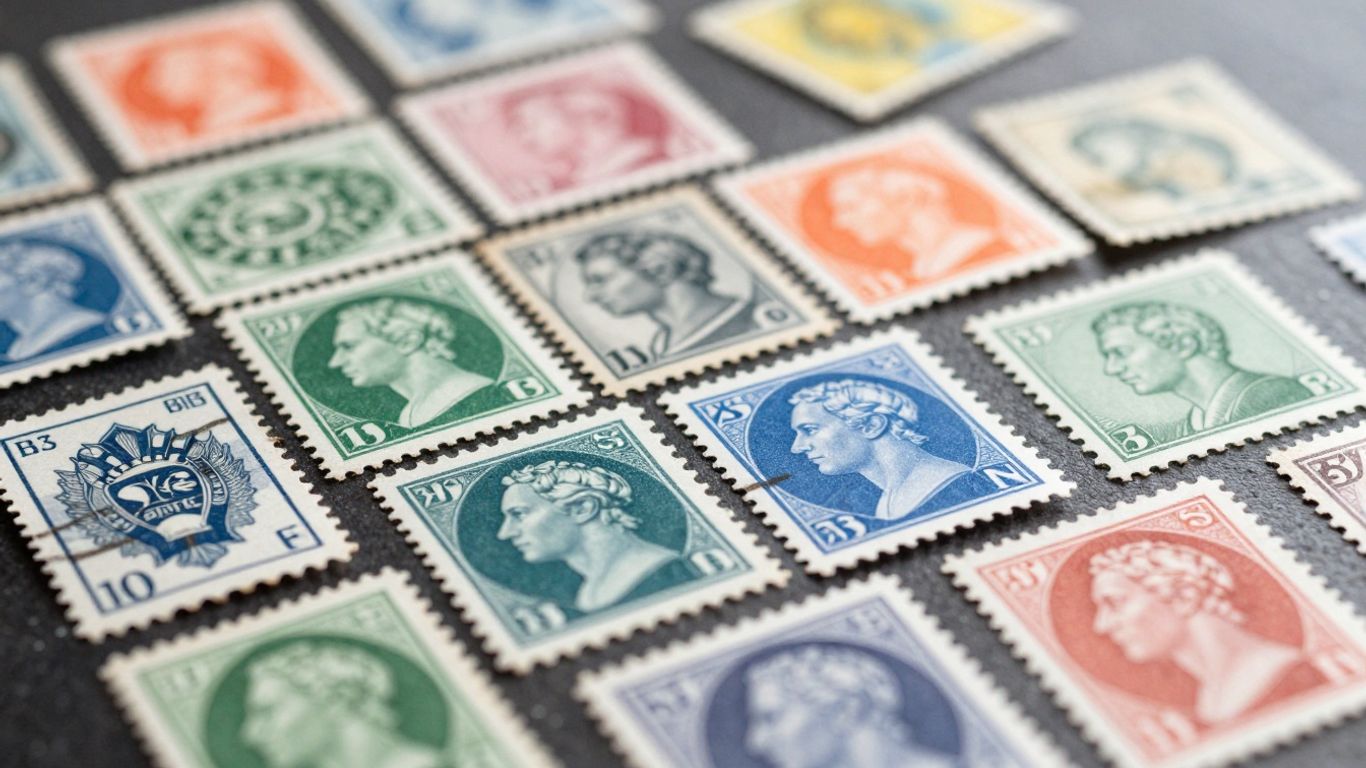
While coins might be the first thing that comes to mind when thinking about collectibles, stamps are another area where people often look to sell items they no longer need. Think about those old stamp albums gathering dust in the attic. These aren’t just pieces of paper; they can represent historical moments, artistic designs, and sometimes, significant value.
The value of stamps can vary wildly, depending on rarity, condition, and historical significance. Some stamps are common and might only be worth their face value, while others, especially older or limited-edition ones, can fetch a pretty penny. It’s not uncommon for collectors to spend years building a collection, and when they decide to part with it, they want to get a fair price.
Here’s a quick look at what makes a stamp valuable:
- Rarity: How many of these stamps were printed? The fewer there are, the more sought after they tend to be.
- Condition: Are the stamps mint, used, torn, or faded? Pristine condition is always preferred.
- Historical Context: Does the stamp commemorate a significant event or person? This can add to its appeal.
- Demand: Are there collectors actively looking for this particular stamp or series?
Sometimes, special stamps are issued for specific causes, like the Breast Cancer Research Stamp. While these often have a higher price than regular postage, the extra cost goes towards a good cause. The Postal Service tracks how much is recovered from these surcharges, but figuring out the exact development and selling costs can be tricky.
When considering selling stamps, it’s important to remember that the market can be quite specialized. Unlike a pawn shop that might give you a quick, low offer, a place that understands philately (the study of stamps) can better assess their true worth. They know which albums are likely to contain hidden gems and which are just common collections.
3. Bonds
When you’re looking to get some cash and have some assets that aren’t coins, bonds might be something you’ve considered. Think of bonds as IOUs, essentially loans you’ve made to a government or a corporation. They typically pay a fixed interest rate over a set period, and then you get your principal back. While they’re generally seen as a more stable investment than stocks, their value can fluctuate, especially with changes in interest rates.
If you’re thinking about selling bonds, it’s not quite as straightforward as selling a coin. You can’t just walk into a shop and get an immediate offer. You’d likely need to go through a brokerage or a financial institution.
Here’s a quick look at why bonds might be different from your typical pawnable item:
- Maturity Date: Bonds have a specific date when the issuer has to pay you back the original amount. This isn’t something you find with most physical assets.
- Interest Payments: You usually receive regular interest payments, which is income, not just a lump sum you’re trying to liquidate.
- Market Value: The price of a bond can go up or down before its maturity date based on market conditions.
Selling bonds often involves finding a buyer willing to purchase them at their current market value, which might be more or less than what you originally paid. This process can take time and might require working with a financial professional. For those in San Antonio looking for alternatives to pawn shops for various assets, exploring options beyond traditional pawn services is key. If you’re interested in the coin market specifically, places like Harry’s Coins & Jewelry are well-regarded options in the area.
The process of selling bonds can be more complex than liquidating other assets. It often requires understanding market dynamics and potentially working with financial intermediaries to find a suitable buyer at a fair price.
4. Stocks
When you’re looking to get cash for assets beyond just coins, stocks are another area to consider. Think of stocks as tiny pieces of ownership in a company. If you own stock, you’re a shareholder. The value of these shares can go up or down depending on how the company is doing and what’s happening in the broader economy.
Selling stocks to get cash is a bit different from selling physical items. You can’t just walk into a shop with a stock certificate (though those are rare now) and expect a quick sale. Most stock trading happens electronically. If you need cash and have stocks, you’ll typically need to sell them through a brokerage account. This might involve placing an order to sell your shares on the stock market.
Here’s a simplified look at how it generally works:
- Identify Your Holdings: Know exactly which stocks you own and how many shares you have. This information is usually available through your brokerage account online or by contacting your broker.
- Determine Market Value: Check the current stock price. This fluctuates throughout the trading day. You can find this information on financial news websites or your brokerage platform.
- Place a Sell Order: You’ll instruct your broker to sell your shares. You can often choose between a market order (sell at the best available price) or a limit order (sell only at a specific price or better).
- Transaction and Settlement: Once the order is executed, the sale is complete. It usually takes a couple of business days for the cash to officially settle in your account and be available for withdrawal.
Selling stocks can be a way to access funds, but it’s important to understand that you’re selling a piece of ownership. The price you get depends on the market at that exact moment. It’s not like selling a collectible where the value might be more stable or negotiable in person. You’re subject to the real-time ups and downs of the stock market.
While you won’t pawn stocks in the traditional sense, selling them is a common way to convert them into cash. If you’re looking for quick cash and have stocks, this is a route you can explore, though it requires interacting with the financial markets rather than a local shop.
5. Leases
When you’re looking for alternatives to a pawn shop, especially for items that aren’t easily sold outright, considering leases might be a less common but potentially useful avenue. Think about it: instead of selling something outright, you could lease it out. This is particularly relevant if you have assets that generate income or have value over time, like equipment, vehicles, or even certain types of intellectual property.
Leasing isn’t just for big businesses. Individuals can lease out things they own but don’t use constantly. For example, if you have a specialized tool or a piece of equipment that others in San Antonio might need for a short period, leasing it could bring in some cash without you having to part with the item permanently. It’s a way to monetize your possessions when a direct sale isn’t the best option.
Here are a few ideas for things you might lease:
- Vehicles: If you have a second car or a truck you don’t use daily, you could lease it out for specific needs, like moving or short-term rentals.
- Equipment: Tools, cameras, sound systems, or even party supplies can be leased to individuals or small businesses.
- Space: Do you have an extra room, a garage, or even a parking spot that’s often empty? Leasing this space could provide a steady income stream.
The key is to identify assets that have demand for temporary use.
When setting up a lease agreement, it’s important to be clear about the terms. This includes the rental period, the cost, any security deposit, and who is responsible for maintenance or insurance. A well-defined lease protects both parties and helps avoid misunderstandings down the line. It’s a bit more involved than just handing over an item, but the potential for ongoing returns can make it a worthwhile consideration when you’re exploring options beyond traditional pawn shops.
6. Contracts
When you’re looking to get cash for items that aren’t physical goods, contracts can sometimes be an option. Think about things like future payments you’re owed, or perhaps a portion of a business deal that hasn’t fully paid out yet. These aren’t your typical pawn shop items, but some places might consider them.
The core idea is that you’re selling the right to receive a future payment for a lump sum now. It’s a bit like getting an advance on money that’s already promised to you.
Here’s a breakdown of what might be considered:
- Structured Settlements: If you’ve received a settlement from a legal case that pays out over time, you might be able to sell the future payments for a reduced amount upfront.
- Promissory Notes: These are formal promises to pay a specific sum of money to someone at a future date. If you hold a note that someone owes you, you might be able to sell it.
- Business Contracts: Portions of certain business agreements, especially those with guaranteed future income streams, could potentially be factored or sold.
It’s important to understand that selling a contract usually means you’ll get less than the total amount you’re owed. The buyer is taking on the risk that the payment might not come through, and they want to make a profit on their investment.
The process for evaluating contracts can be complex. It involves verifying the legitimacy of the contract, assessing the likelihood of payment, and determining the present value of future cash flows. This requires a level of financial analysis that goes beyond what a typical pawn shop can offer.
This is definitely a more specialized area, and you’ll need to find buyers who specifically deal in these types of financial instruments. They’ll look at the terms, the parties involved, and the overall risk before making an offer.
7. Properties
When you’re looking to get cash for items beyond just coins, real estate can be a significant asset. While not typically something you’d pawn in the traditional sense, selling or leveraging property can be a viable alternative for accessing funds. This could involve anything from a vacant lot to a commercial building or even a portion of your land.
Selling a property outright is the most straightforward way to convert it into cash. However, the process can be lengthy and involve substantial paperwork. For those needing funds more quickly, exploring options like a sale-leaseback agreement might be considered. In this arrangement, you sell your property but immediately lease it back from the new owner, allowing you to continue using it while receiving a lump sum of cash.
Here are a few ways properties can be a source of funds:
- Selling Undeveloped Land: If you own land that you’re not using, selling it can provide a significant cash injection. The value will depend on location, zoning, and market demand.
- Commercial Property Sales: Businesses might own buildings or land that they no longer need or wish to consolidate. Selling these can free up capital for other investments or operational needs.
- Fractional Ownership Sales: In some cases, you might own a portion of a property. Selling your share to other owners or a third party is another avenue.
- Sale-Leaseback Agreements: As mentioned, this allows you to sell a property you use (like a business location) and then rent it back, providing immediate cash while maintaining operations.
It’s important to understand the market value of your property and any associated legal or tax implications before proceeding. Consulting with a real estate professional or a financial advisor can help you make informed decisions. For those in the San Antonio area looking to sell items like coins or jewelry, places like Great Southern Coins offer a direct way to get cash, which can sometimes be a simpler alternative to dealing with property transactions if your needs are smaller.
The process of selling property involves several key steps, including property valuation, marketing, negotiation, and closing. Each stage requires careful attention to detail to ensure a successful transaction and to maximize the return on your asset.
8. Funds
When you’re looking to get some cash for your valuables, thinking beyond pawn shops is smart. Sometimes, the best alternative isn’t a place at all, but rather a financial instrument you might already own. We’re talking about funds here – not just any funds, but specific types that can be leveraged for immediate financial needs.
Many people overlook the potential liquidity tied up in various investment funds. These can range from mutual funds to exchange-traded funds (ETFs) and even certain types of bonds. The key is understanding how to access their value without necessarily selling them outright, which could have tax implications or mean missing out on future growth.
Here are a few ways funds can serve as a pawn shop alternative:
- Securities-Based Loans: This is a common method where you borrow money against the value of your investment portfolio. The loans are typically offered by brokerages or banks where you hold your funds. The interest rates are often competitive, and you can continue to benefit from any market appreciation of your assets.
- Selling Specific Holdings: If you need funds quickly and don’t want to take out a loan, you can always sell a portion of your fund holdings. This is straightforward, but it’s important to consider the tax consequences of selling, especially if you’ve held the investment for a short period.
- Retirement Account Loans (with caution): While not strictly an investment fund in the same vein as a brokerage account, some retirement accounts (like 401(k)s) allow you to borrow against your balance. This should be approached with extreme caution due to potential penalties and the impact on your long-term retirement goals.
It’s important to note that the specifics of borrowing against or selling funds can vary greatly. Factors like the type of fund, your brokerage agreement, and current market conditions all play a role.
Accessing the value within your investment funds requires careful consideration. While it can provide a more flexible and potentially less costly alternative to a pawn shop, understanding the terms, risks, and tax implications is absolutely necessary before proceeding. It’s often wise to speak with a financial advisor to ensure you’re making the best decision for your financial situation.
9. Securities
When thinking about alternatives to pawn shops for liquidating assets, securities often come up. These can include stocks, bonds, and other financial instruments. Selling securities can be a more involved process than pawning an item, but it can also yield a better return. Unlike a pawn shop where you might get a fraction of an item’s worth, selling securities on the open market allows you to capture their current market value.
Here’s a look at some common types of securities and how they might be handled:
- Stocks: Represent ownership in a company. Their value fluctuates based on company performance and market conditions.
- Bonds: Essentially loans made to governments or corporations. They typically offer a fixed interest rate and return of principal.
- Mutual Funds: Pools of money from many investors used to buy a diversified portfolio of stocks, bonds, or other securities.
- Exchange-Traded Funds (ETFs): Similar to mutual funds but trade on stock exchanges like individual stocks.
The process for selling securities usually involves a brokerage account. If you have stocks or bonds held through a broker, you can typically place an order to sell them. The price you receive will be the market price at the time of sale, minus any brokerage fees. For more complex securities, you might need to consult with a financial advisor to understand the best way to liquidate them.
Selling securities requires careful consideration of market timing and potential tax implications. It’s not a quick cash transaction like pawning, but it’s designed to reflect the actual value of the financial asset in the current economic climate.
10. Services
Beyond tangible items like coins, stamps, or securities, there are other avenues to consider when you need quick cash in San Antonio. Think about services you might own or have rights to. This could include things like intellectual property, future earnings from a contract, or even rental income from a property you own.
Exploring these less common assets can provide a flexible way to access funds without selling off physical possessions.
Here are a few examples of services or rights that might be leveraged:
- Future Contract Payments: If you have a contract that guarantees future payments, like a business sale agreement or a structured settlement, this stream of income could potentially be used as collateral or sold for a lump sum. It’s important to have all the contract details clearly laid out.
- Rental Income Streams: Owning rental properties is a common way to generate income. If you have tenants paying rent, this predictable cash flow can sometimes be factored into loan agreements or sold as a package.
- Intellectual Property Royalties: If you’ve created something that generates royalties, such as music, books, or patents, these future earnings might be securitized. This is a more complex area, often requiring specialized appraisal.
When considering these options, it’s vital to get a clear picture of the value and the terms involved. For instance, if you have valuable jewelry or watches, getting a professional appraisal can help you understand its worth. Certified appraisals are key for many of these service-based assets.
The process for valuing and securing funds against services or future income streams can be intricate. It often involves legal review and specialized financial assessment to ensure all parties understand the terms and risks. Unlike selling a physical item, these transactions deal with future potential and contractual obligations, which requires a different approach to valuation and risk management.
Final Thoughts on Your Coin Sale
So, when it comes time to sell your coins in San Antonio, remember there are more options out there than just the first pawn shop you see. We’ve talked about a few places that really focus on coins and collectibles, and they often give you a fairer shake. It might take a little extra effort to find them, but getting a better price for your collection is usually worth it. Don’t settle for less than you deserve; do a bit of looking around and find a buyer who knows their stuff and treats you right.
Frequently Asked Questions
What are some alternatives to pawn shops for selling coins in San Antonio?
Instead of pawn shops, consider coin dealers, auction houses, or online marketplaces. These options often provide fairer prices and specialized knowledge about coin values.
How can I determine the value of my coins?
You can research coin values online using guides like the Red Book, consult with professional coin appraisers, or check recent sales data from reputable dealers and auction sites.
Are there specific types of coins that are more valuable than others?
Yes, certain coins are more valuable due to their rarity, historical significance, condition, or the metal they are made from. Older coins, error coins, and those from limited mintages often fetch higher prices.
What is the difference between a coin dealer and a pawn shop?
Coin dealers specialize in buying and selling coins, possessing expertise in grading and valuation. Pawn shops offer loans against items and may not have the same level of coin knowledge, potentially leading to lower offers.
Should I clean my coins before selling them?
Generally, it is not recommended to clean coins yourself. Improper cleaning can damage the coin’s surface and significantly reduce its value. It’s best to leave cleaning to professionals or sell them as-is.
What information should I gather before contacting a coin buyer?
Before contacting a buyer, gather details about the coin, such as its date, mint mark, denomination, and any visible imperfections. Having this information ready will help streamline the appraisal process.
How do online coin marketplaces work?
Online marketplaces allow you to list your coins for sale to a wider audience. Some platforms act as intermediaries, while others are direct selling sites. Research the platform’s fees and seller protection policies.
What are the benefits of selling to a specialized coin dealer?
Specialized coin dealers offer expert knowledge, accurate appraisals, and often pay more competitive prices than general pawn shops. They are familiar with the numismatic market and can identify the true value of your collection.