
When it comes to precious metals like gold and silver coins, knowing exactly what you have is super important. It’s not just about what it looks like; it’s about what it’s really made of. That’s where electronic precious metal coin testing comes in. These tools help make sure you’re not getting ripped off, whether you’re buying, selling, or just curious about your collection. They use some pretty neat science to figure out the real deal.
Key Takeaways
- Electronic precious metal coin testing uses technologies like XRF, LIBS, and OES to figure out what a coin is made of without damaging it.
- These tests are vital for spotting fakes and making sure coins are pure, which directly affects their worth to collectors and investors.
- Modern testing devices are built to be non-destructive, give very precise readings, and provide quick results, making transactions smoother.
- The ability to detect even thin layers of gold plating or small amounts of other metals is a big deal for accurate valuation.
- Accurate testing builds trust between buyers and sellers, leading to fairer prices and more confidence in the precious metals market.
Understanding Electronic Precious Metal Coin Testing Technologies
When you’re dealing with precious metals like gold, silver, or platinum, knowing exactly what you have is pretty important. It’s not just about the shiny appearance; it’s about the actual metal content that determines its worth. Luckily, there are some neat electronic tools that help us figure this out without damaging the coin. These technologies look at the very building blocks of the metal to tell us its composition.
The Role of X-Ray Fluorescence (XRF) in Coin Analysis
X-Ray Fluorescence, or XRF, is a popular method for checking what metals are in a coin. It works by shooting a beam of X-rays at the coin. When these X-rays hit the metal, they make the atoms inside give off their own, secondary X-rays. Each type of metal gives off X-rays at a specific energy level, kind of like a unique signature. An XRF device picks up these signatures and tells you which elements are present and how much of each there is. This process is non-destructive, meaning the coin isn’t harmed at all. It’s great for quickly identifying the elemental makeup of coins and other metal items.
Laser-Induced Breakdown Spectroscopy (LIBS) for Elemental Composition
Another interesting technique is Laser-Induced Breakdown Spectroscopy, or LIBS. This method uses a short, powerful laser pulse to vaporize a tiny bit of the coin’s surface. This creates a small plasma – a super hot gas. As this plasma cools down, it emits light at specific wavelengths, unique to each element present. A spectrometer then analyzes this light to identify the elements and their amounts. LIBS can be very fast and can even analyze very small areas, making it useful for detailed checks.
Optical Emission Spectrometry (OES) for Metal Alloys
Optical Emission Spectrometry, often called OES, is a well-established way to figure out the makeup of metal alloys. In a common OES setup, an electric spark is used to burn off a small amount of the metal’s surface. This creates a plasma, and just like with LIBS, the elements in the plasma give off light. The device measures this light to determine the elements and their concentrations. It’s a reliable method, especially for analyzing the specific mix of metals in alloys.
Here’s a quick look at how these methods compare:
| Technology | How it Works | Key Benefit |
|---|---|---|
| XRF | Detects secondary X-rays emitted by the sample | Non-destructive analysis |
| LIBS | Analyzes light emitted from a laser-induced plasma | Fast, can analyze small spots |
| OES | Analyzes light emitted from an electrically sparked plasma | Reliable for alloy composition |
Understanding these technologies is the first step to appreciating how modern devices can accurately verify the authenticity and value of precious metal coins without causing any damage.
Ensuring Authenticity and Value Through Advanced Testing
When dealing with precious metal coins, knowing what you have is half the battle. It’s not just about the shiny metal; it’s about its exact composition and whether it’s the real deal. Advanced electronic testing methods are a game-changer here, moving beyond simple visual checks or old-school acid tests. These technologies give us a much clearer picture, helping to confirm that a coin is genuine and worth what it appears to be.
Detecting Counterfeits and Inclusions in Precious Metals
Spotting fakes is a big deal. Sometimes, coins might look good on the surface but have a core made of cheaper stuff, or they could be plated. Electronic testers can see right through these tricks. They analyze the elemental makeup of the coin, revealing if there are any unexpected metals mixed in or if the outer layer doesn’t match the inside. This is super important for anyone buying or selling, as it prevents financial loss from fraudulent items. It’s like having an X-ray for your valuables, showing you exactly what’s going on beneath the surface. This helps maintain trust in the market, making sure everyone is trading honestly.
Verifying Purity for Collectors and Investors
For collectors and investors, the purity of a precious metal coin is directly tied to its value. A coin that’s supposed to be 99.9% pure silver but is actually only 95% pure is worth significantly less. Electronic testers provide precise measurements, often down to the tenth of a percent or even finer. This level of detail is vital for making informed decisions, whether you’re adding to a collection or making an investment. You can get a clear idea of the coin’s true fineness, which is key for accurate valuation and future trading. It takes the guesswork out of the equation.
Accurate Valuation and Appraisal of Coin Holdings
Getting a fair price for precious metal coins relies heavily on knowing their exact composition. Whether you’re selling a collection, insuring your assets, or simply curious about their worth, precise testing is necessary. Modern devices can quickly assess a coin’s purity and density, providing data that directly translates into market value. This information is essential for:
- Confirming the metal content (e.g., gold, silver, platinum).
- Identifying any alloying elements that might affect value.
- Detecting plating or base metal cores.
The ability to get rapid, reliable data on a coin’s composition means that appraisals can be done with much greater confidence. This transparency benefits everyone involved in a transaction.
These tools are not just for large dealers; they are becoming more accessible, allowing individuals to better understand and manage their precious metal assets. This makes the whole process of buying, selling, or holding onto these valuable items much more straightforward and secure.
Key Features of Modern Testing Devices
Modern electronic precious metal coin testing devices come packed with features that make them super useful. They’re built to be accurate, fast, and easy to use, which is a big deal when you’re dealing with valuable items.
Non-Destructive Analysis for Asset Integrity
One of the best things about these testers is that they don’t damage the coins. You can test a coin without scratching it, melting it, or doing anything that would lower its value. This is really important for collectors and investors who want to keep their coins in perfect condition. The technology works by sending out signals, like X-rays or lasers, and then reading the signals that bounce back. It’s like a super-smart echo system for metals. This means you get all the information you need about the metal’s composition without harming the actual coin. It’s a game-changer compared to older methods that often involved taking a small sample or using harsh chemicals.
High Precision and Accuracy in Measurements
These devices are designed to be really, really precise. We’re talking about measurements that can tell you the exact percentage of gold, silver, or platinum in a coin, often down to a tiny fraction. This level of accuracy is vital for a few reasons. For one, it helps in spotting fakes or coins that have been tampered with. It also means you can be sure you’re getting what you paid for, especially when buying or selling. The technology behind this precision, like X-ray fluorescence (XRF), analyzes the unique way atoms in the metal react to being excited, giving a clear fingerprint of the material. For example, the SuperbMelt XRF Gold Analyzer can examine a wide range of metals with impressive detail.
Rapid Results for Efficient Transactions
Nobody wants to wait around forever, especially when money is involved. Modern testers give you results almost instantly. You can test a coin in seconds, which speeds up everything from buying and selling at a shop to verifying a large collection. This speed is a huge advantage in busy environments like pawnshops or during large-scale trading. It means fewer delays and more confidence in making quick, informed decisions. The whole process is usually straightforward:
- Place the coin on the testing surface.
- Initiate the test with a button press.
- Read the results on the display.
The ability to get fast, reliable data on metal composition without altering the item is what makes these tools indispensable in today’s market.
Applications Across Industries
Jewelry Manufacturing and Quality Control
In the jewelry world, knowing exactly what you’re working with is super important. Electronic testing devices help make sure the gold, silver, or platinum used is the real deal and meets the right purity standards. This isn’t just about making pretty things; it’s about making sure customers get what they pay for and that the pieces are durable.
- Verifying raw materials: Before any crafting begins, testers check gold bars, wires, and other metals to confirm their composition. This stops problems down the line.
- Checking finished goods: Once a piece of jewelry is made, it gets tested again. This confirms the final product matches its description, whether it’s 14K, 18K, or pure.
- Detecting plating: A big issue can be items that look like solid gold but are just plated. Advanced testers can spot this thin layer, preventing fraud.
The precision offered by these tools means that even subtle differences in alloy composition can be identified, which is vital for maintaining brand reputation and customer trust in the high-value jewelry market.
Pawnshops and Precious Metal Dealers
For businesses that buy and sell precious metals, accurate testing is the backbone of their operation. Without reliable methods, they risk overpaying for fakes or underpricing genuine items. Electronic analyzers provide a quick and dependable way to assess items brought in by customers.
- Quick valuations: When someone brings in jewelry or coins, a tester can give an immediate purity reading, allowing for a fast and fair offer.
- Identifying fakes: These devices can quickly flag items that aren’t what they seem, saving dealers from significant losses.
- Sorting materials: Dealers often deal with mixed lots of scrap metal. Testing helps sort these efficiently by metal type and purity, preparing them for sale or refining.
Recycling and Refining Operations
When precious metals are recycled, their exact composition needs to be known to get the most value out of them. Refiners use electronic testing to sort incoming materials and to verify the purity of the refined metals before they are sold.
- Incoming material assessment: Scrap gold, old electronics, and industrial waste all come in with varying amounts of precious metals. Testers help sort these streams accurately.
- Process control: During refining, samples are taken at different stages to monitor the effectiveness of the purification process.
- Final product certification: Before refined gold, silver, or platinum is sold, its purity is confirmed with high-accuracy instruments, often providing a certificate of analysis.
Advanced Capabilities for Comprehensive Analysis
Detecting Gold Plating and Base Metal Substrates
When you’re looking at coins, especially older ones or those that might have been handled a lot, you sometimes run into issues with plating. It’s not always obvious if a coin is solid gold or just gold-plated over something cheaper. Modern testing devices have ways to figure this out. Technologies like X-ray fluorescence (XRF) can tell you what’s on the surface and what’s underneath. Some systems even have special features, like the AuDIT technology, that are specifically designed to flag the possibility of plating. This is super important because a plated coin is worth way less than a solid one, even if the surface looks good.
Identifying Trace Impurities and Alloying Elements
It’s not just about the main metal. Even in precious metals, tiny amounts of other elements can be present. These could be natural impurities or added on purpose to make an alloy. For example, gold coins often have a bit of copper or silver mixed in to make them harder. Advanced analyzers can pick up on these trace elements. Knowing exactly what’s in the mix helps confirm if a coin is genuine and what its exact purity is. This level of detail matters a lot for collectors and investors who need to know the precise composition.
Analyzing a Wide Range of Precious Metals
We’re not just talking about gold here. The same testing methods can be used for silver, platinum, palladium, and other valuable metals. Different technologies have different strengths. For instance, some XRF machines are really good at detecting lighter elements, which can be important for certain alloys. Optical Emission Spectrometry (OES) is also a solid choice for checking metal compositions. The key is that these tools aren’t limited to just one type of precious metal; they can handle a variety, giving a full picture of what you’re dealing with.
- Gold (Au)
- Silver (Ag)
- Platinum (Pt)
- Palladium (Pd)
- Rhodium (Rh)
Being able to test a broad spectrum of precious metals means you’re not limited in what you can analyze. This flexibility is a big deal when you’re dealing with different types of coins or investment pieces.
User-Friendly Operation and Portability
Intuitive Interfaces for Simplified Testing
Modern electronic precious metal coin testers are designed with the user in mind. Forget complicated setups or needing a degree in physics to get a reading. Many devices now feature straightforward interfaces, often with touchscreens or simple button controls. Think of it like using a smartphone – you can pick it up and figure out the basics pretty quickly. The goal is to make the testing process accessible, so anyone from a seasoned dealer to a new collector can get reliable results without a steep learning curve. This means clear displays showing the metal’s composition and purity, often with easy-to-understand icons or numerical readouts. The focus is on getting you the information you need without unnecessary complexity.
Compact and Lightweight Handheld Analyzers
One of the biggest game-changers in coin testing is portability. Gone are the days when you needed a large, stationary lab setup. Many advanced testers are now compact and lightweight, fitting comfortably in your hand or a small carrying case. This makes them incredibly practical for various situations.
Here’s why portability matters:
- On-the-go assessments: Test coins at auctions, client meetings, or even while traveling.
- Reduced handling: Avoid moving valuable coins unnecessarily between locations.
- Flexibility: Set up a testing station almost anywhere, from a small desk to a trade show booth.
This allows for immediate verification, which is a huge advantage when you’re dealing with valuable assets and need to make quick decisions.
Convenience for On-the-Go Field Assessments
Field assessments are where these portable testers really shine. Imagine you’re at a coin show or meeting a private seller. Instead of taking the coin back to your office or a lab, you can perform a thorough analysis right there on the spot. This immediacy builds confidence and streamlines transactions. It means you can verify authenticity and purity before committing to a purchase or sale, saving time and potential headaches. The ability to conduct these tests away from a fixed location is a significant benefit for anyone who frequently handles precious metal coins.
The Importance of Accurate Assays in Transactions
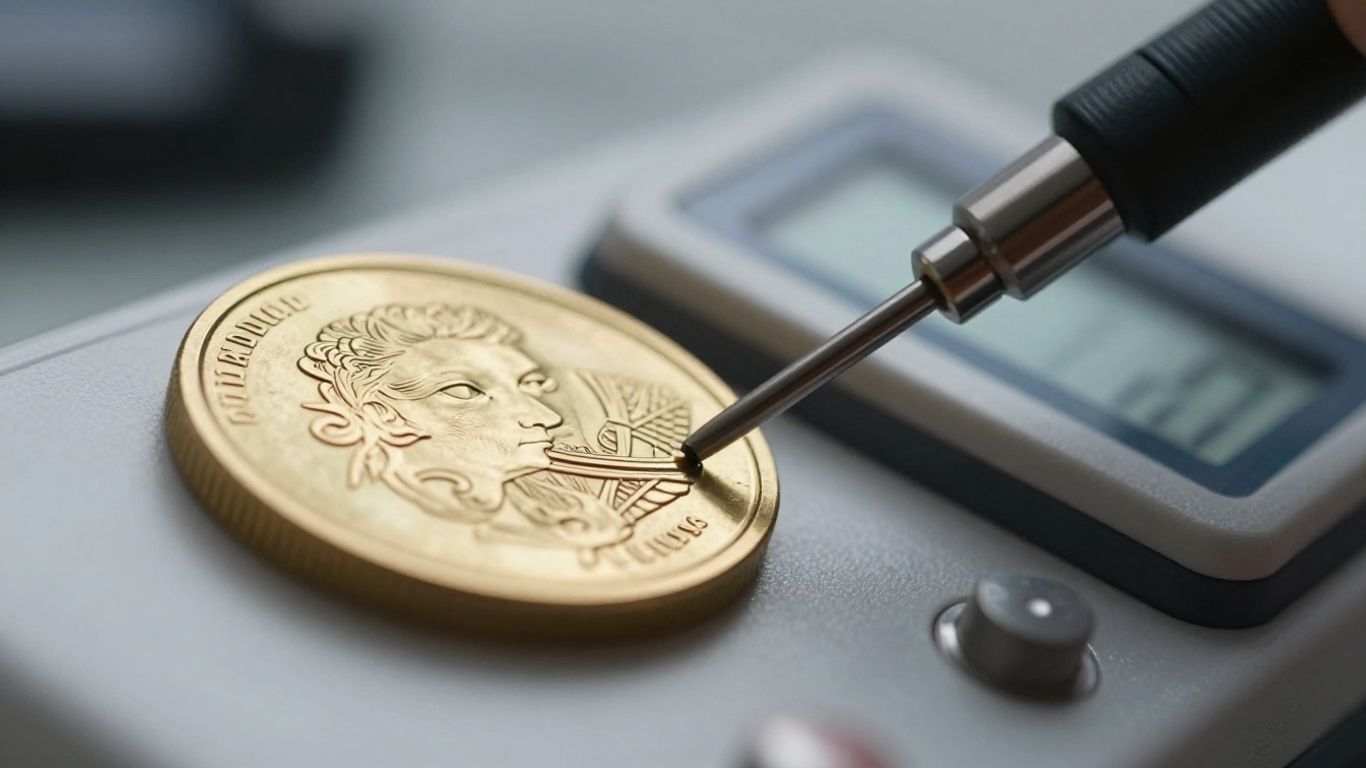
When you’re dealing with precious metals, whether buying, selling, or just assessing what you have, getting the purity right is a really big deal. It’s not just about knowing if it’s gold or silver; it’s about knowing how much gold or silver is actually there. A tiny difference in purity can mean a huge swing in value. Think about it: a coin that’s 99.9% pure gold is worth a lot more than one that’s only 90% pure, even if they look identical. This is where accurate assays, or purity tests, become super important.
Impact of Purity Variations on Market Value
Market prices for precious metals are set based on their purity. When a metal is purer, it commands a higher price. For example, the difference between 22-karat gold and 24-karat gold can be substantial. If you’re selling a piece of jewelry or a bullion bar, an inaccurate assay could lead to you getting paid much less than it’s actually worth. Conversely, a buyer could be overpaying if the assay is wrong. This is why precise measurement is key.
Here’s a simple look at how purity affects value:
| Metal Type | Purity Level | Approximate Value (Relative) |
|---|---|---|
| Gold | 24 Karat (99.9% pure) | 100% |
| Gold | 22 Karat (91.7% pure) | ~91.7% |
| Gold | 18 Karat (75.0% pure) | 75.0% |
| Silver | 99.9% Fine Silver | 100% |
| Silver | Sterling Silver (92.5% pure) | ~92.5% |
Building Trust Through Transparent Analysis
In any transaction involving valuable assets like precious metals, trust is everything. When you can show a buyer or seller a clear, accurate assay report, it removes a lot of guesswork and potential for dispute. Technologies like X-ray Fluorescence (XRF) offer non-destructive testing, meaning the item isn’t damaged during the test. This transparency builds confidence. People feel more comfortable making deals when they know the analysis is reliable and can be verified.
Accurate testing means everyone involved in a transaction has the same information. This shared knowledge helps prevent misunderstandings and ensures that deals are made on fair terms, protecting both parties from potential losses due to inaccurate assessments.
Ensuring Equitable Pricing for Buyers and Sellers
Fair pricing is the bedrock of good business. Accurate assays make sure that both the buyer and the seller are getting a square deal. For sellers, it means they aren’t short-changed for their valuable materials. For buyers, it means they aren’t overpaying for something that isn’t as pure as claimed. This accuracy is especially vital in:
- Investment Markets: When buying or selling bullion, coins, or bars, precise purity figures directly influence the price paid per ounce or gram.
- Scrap Metal Dealers: Accurately assaying mixed scrap jewelry or old electronics ensures that the correct value is assigned to the precious metals recovered.
- Collector Markets: For rare coins or historical artifacts, verifying purity adds to the item’s authenticity and historical context, impacting its collector value.
Ultimately, reliable testing methods provide the objective data needed to set prices that reflect the true worth of the precious metal content, making transactions smoother and more honest for everyone.
Specialized Testing for Specific Applications
Electronics Industry Component Verification
In the electronics sector, the purity and composition of precious metals are not just about value; they’re about performance. Gold’s exceptional conductivity and resistance to corrosion make it a go-to material for connectors, contacts, and wiring within sensitive electronic devices. Ensuring the correct gold content in these components is vital for reliable signal transmission and long-term device functionality. Electronic components often use thin layers of gold plating over base metals. Advanced testing methods, like X-Ray Fluorescence (XRF), can precisely measure the thickness and purity of these gold layers, as well as identify the underlying substrate. This verification prevents performance issues, premature failure, and ensures that components meet stringent industry standards for conductivity and durability.
Dentistry Material Purity Standards
When it comes to dental work, the materials used must be safe, durable, and biocompatible. Gold alloys have a long history in dentistry due to their inertness and resistance to tarnish, making them suitable for crowns, bridges, and fillings. However, not all gold alloys are created equal. Different applications require specific alloy compositions to balance strength, wear resistance, and patient comfort. Electronic testing devices can analyze these dental alloys to confirm their gold content and identify other alloying elements like palladium, platinum, or nickel. This ensures that the materials used meet the required standards for:
- Biocompatibility: Preventing adverse reactions in the patient.
- Durability: Withstanding the forces of chewing.
- Corrosion Resistance: Maintaining integrity within the oral environment.
Precious Metal Research and Development
For those pushing the boundaries in materials science and metallurgy, precise elemental analysis is non-negotiable. Researchers developing new alloys, refining extraction processes, or exploring novel applications for precious metals rely on highly accurate testing equipment. These advanced instruments allow for the identification of trace impurities, the precise quantification of alloying elements, and the verification of material composition down to very small sample sizes. This level of detail is critical for:
- Validating experimental results.
- Developing materials with specific, tailored properties.
- Understanding the behavior of precious metals under various conditions.
The ability to perform non-destructive, highly accurate elemental analysis on precious metals opens up new avenues for innovation across diverse scientific and industrial fields. It moves beyond simple valuation to a deeper understanding of material science.
Wrapping Up: The Future of Coin Authenticity
So, we’ve looked at how these fancy machines work to tell us if a coin is the real deal. It’s pretty wild how they can figure out the exact metal content without even scratching the surface. This stuff isn’t just for big labs anymore; jewelers, pawn shops, and even collectors can use these tools now. It really makes a difference in knowing what something’s worth and stops people from getting ripped off. As technology keeps moving, we can expect these testers to get even better, making the whole process of checking precious metals more straightforward and reliable for everyone involved.
Frequently Asked Questions
What is electronic precious metal coin testing?
Electronic precious metal coin testing uses special tools to figure out what a coin is made of and how pure it is, without damaging the coin. It helps make sure coins are real and worth what they should be.
How does XRF help test coins?
X-Ray Fluorescence (XRF) is a method that shoots X-rays at a coin. The coin then sends back its own X-rays, which the machine reads to tell us exactly which metals are in it and how much of each. It’s like a fingerprint for the metal.
Can these testers find fake coins?
Yes, absolutely! These advanced testers are great at spotting fake coins or coins that have been tampered with. They can detect if a coin is made of cheaper metals or has fake plating, which helps buyers and sellers avoid being tricked.
Do I need to damage the coin to test it?
Not at all! Most of these modern testing methods, like XRF, are non-destructive. This means they can check the coin’s makeup without scratching, melting, or harming it in any way, which is super important for valuable coins.
How fast are these electronic testers?
They are very quick! Many tests can be done in just a few seconds. This speed is helpful for businesses that deal with a lot of coins, like coin shops or places that buy gold, so they can serve customers faster.
Are these testers easy to use?
Yes, most modern testers are designed to be user-friendly. They often have simple screens and buttons, making it easy for people who aren’t scientists to get accurate results without a lot of training.
Why is knowing the exact purity important?
The exact purity of a precious metal coin greatly affects its price. Even a small difference in how pure it is can mean a big change in its value. Accurate testing ensures everyone gets a fair price.
Can these testers check for plating on coins?
Yes, many advanced testers can detect if a coin is just plated with a precious metal, like gold, over a less valuable metal underneath. This is crucial because a plated coin is worth much less than a solid one.