
Embarking on the journey of modern proof coin set collecting can seem a bit daunting at first, but with a little guidance, it quickly becomes a fascinating and rewarding pursuit. Think of it like starting any new hobby – you begin with the basics, learn as you go, and before you know it, you’re hooked. This guide is designed to break down the process, from understanding what makes a proof coin special to knowing where to find them and how to care for your growing collection. Whether you’re drawn to the shiny finish, the historical aspect, or the potential for your collection to grow in value, modern proof coin set collecting offers a unique blend of art, history, and a touch of investment potential.
Key Takeaways
- Modern proof coin sets are special because they are made for collectors, featuring a mirror-like finish and sharp details, setting them apart from regular coins.
- To start, pick a proof set that interests you, get basic tools like a magnifying glass and proper storage, and set some clear goals for your collection.
- Always buy from trusted dealers or mints, and be careful when shopping online to avoid fakes. Looking closely at the coin and its packaging is important.
- Taking care of your proof coins means storing them correctly in protective holders, handling them gently by the edges, and never, ever cleaning them, as this can ruin their value.
- While the joy of collecting is primary, some modern proof coin sets can increase in value over time, especially rarer ones, making research into market trends a smart move for collectors.
Understanding Modern Proof Coin Set Collecting
Welcome to the fascinating world of numismatics, the study and collection of coins. It’s a hobby with a long history, stretching back centuries, and it appeals to a wide range of people. You’ll find collectors who are purely enthusiasts, enjoying the hunt and the history. Then there are those who see coins as an investment, looking for pieces that might increase in value over time. Some people focus on specific themes, like coins from a particular country or those depicting animals. And of course, there are collectors who are primarily interested in the precious metal content, like gold or silver. This guide is designed to help you understand one particular area: modern proof coin sets.
Defining Numismatics and Collector Types
Numismatics is essentially the art and science of collecting coins, paper money, and medals. It’s more than just accumulating shiny objects; it involves understanding their history, design, and the economic and social context in which they were created. When you start collecting, you’ll quickly find yourself falling into one or more categories of collectors. Are you someone who loves the thrill of finding a rare coin in your pocket change? Or are you more interested in building a portfolio of assets that might grow in value? Perhaps you’re drawn to the artistic beauty of coins, or maybe you want to learn about different cultures through their currency. Understanding these different motivations can help you define your own collecting path.
The Allure of Proof Coins
So, what exactly makes a proof coin special? Unlike regular circulating coins that are made for everyday transactions, proof coins are specially manufactured for collectors. They are struck multiple times with specially polished dies and planchets, resulting in a distinctive mirror-like finish on the fields (the flat, open areas) and frosted, raised devices (the images and lettering). This contrast is what gives proof coins their stunning visual appeal. They are not intended for circulation and are typically sold directly to collectors by the mint. The meticulous process involved in creating them means they are produced in limited quantities and are generally more expensive than their uncirculated counterparts. The beauty and craftsmanship of these coins are a major draw for many collectors.
Why Collect Modern Proof Sets?
Collecting modern proof sets offers a unique entry point into the numismatic world. These sets, typically issued annually by national mints, contain a selection of the year’s circulating coinage, all struck in proof quality. They are often packaged beautifully, making them attractive display pieces. For beginners, they represent an accessible way to acquire high-quality coins without the complexity of hunting for rare, older issues. Modern proof sets provide a tangible connection to the coinage of our time, often with designs that reflect current events or cultural milestones. They can be a source of pure enjoyment, a way to learn about coin production, and potentially, an investment. While many modern proof sets initially sell close to their issue price, their numismatic value can grow over time, especially for sets with limited mintages or special designs. Exploring these sets can be a rewarding journey into the hobby of coin collecting. You can find more information about the investment potential of coins on pages about coin value.
Here’s a quick look at what you might find in a typical modern proof set:
- Circulating Coins: Usually includes all the denominations minted for circulation that year (e.g., pennies, nickets, dimes, quarters, half dollars, and dollar coins).
- Special Finishes: Each coin features the signature proof finish with its brilliant, reflective fields and frosted designs.
- Original Packaging: Sets come housed in protective cases, often accompanied by a certificate of authenticity from the mint.
The appeal of modern proof sets lies in their combination of aesthetic beauty, historical documentation of a specific year’s coinage, and their accessibility to new collectors. They offer a clear starting point for building a collection that can be both personally satisfying and potentially grow in value over time.
Getting Started with Modern Proof Coin Sets
Starting your journey into collecting modern proof coin sets can feel a bit overwhelming at first, but it doesn’t have to be. Think of it like picking up any new hobby; there’s a learning curve, but the rewards are well worth the effort. The key is to begin with a clear plan and a few basic tools.
Choosing Your First Proof Set
When you’re just beginning, it’s wise to start with something accessible and well-documented. Many collectors find that U.S. Mint proof sets are an excellent entry point. These sets typically include a range of circulating coins struck with a special finish, all housed in official packaging. Consider sets from the last decade or two; they are generally easier to find and less expensive than older issues, allowing you to learn the ropes without a significant financial commitment. Look for sets that genuinely interest you, whether it’s the designs, the specific coins included, or a particular year that holds personal meaning.
- Start with U.S. Mint Proof Sets: These are widely available and come directly from the source.
- Consider Recent Years: Sets from the past 10-20 years are more affordable and easier to acquire.
- Focus on Personal Interest: Choose a set that appeals to you aesthetically or thematically.
Essential Tools for Beginners
You don’t need a lot of fancy equipment to start. A few basic items will help you appreciate and protect your new collection. A good magnifying glass or loupe is probably the most important tool you’ll acquire early on. It allows you to see the fine details of the coins, which is crucial for identifying mint marks, dates, and any potential imperfections. Archival-quality coin holders or albums are also vital for protecting your coins from damage and the elements. Finally, a notebook and pen will be useful for keeping track of your collection, purchase dates, prices, and any notes you want to remember.
Setting Realistic Collecting Goals
It’s easy to get carried away when you first start collecting. Before you know it, you might have spent more than you intended or tried to acquire too many different types of coins at once. Setting realistic goals from the outset will help you build a focused and enjoyable collection. Think about what you want to achieve in the first six months or the first year. Do you want to complete a specific year’s proof set? Or perhaps collect proof sets from a particular decade? Having clear, achievable goals will guide your purchasing decisions and prevent you from feeling overwhelmed.
Building a coin collection is a marathon, not a sprint. It’s about the journey of discovery and the satisfaction of gradually assembling something you’re proud of. Patience and consistent effort are key to long-term success and enjoyment in this hobby. Avoid the temptation to buy everything you see; instead, focus on acquiring pieces that fit your plan and budget.
Key Elements of Proof Coin Sets
When you start looking at modern proof coin sets, you’ll notice a few things that make them stand out. It’s not just about the design; it’s about how they’re made and presented. Understanding these elements will help you appreciate what you’re collecting and why certain sets are more sought after than others.
The Mirror-Like Finish Explained
Proof coins get their special look from a unique minting process. They are struck multiple times with specially polished dies and planchets (the blank metal discs). This repeated striking creates an exceptionally sharp, detailed image with a frosted appearance on the raised parts, contrasting beautifully with the background. The background of a proof coin should be like a mirror, reflecting light smoothly. This high level of contrast and polish is what collectors look for. It’s a sign of quality and care in production. You can often see this difference clearly when comparing a proof coin to a regular, uncirculated coin.
Understanding Mint Marks and Dates
Just like with any coin, the date and mint mark are important. The date tells you when the coin was made, and the mint mark tells you where it was made. For modern proof sets, the U.S. Mint typically produces them at the San Francisco Mint (indicated by an ‘S’ mint mark) and sometimes the West Point Mint (indicated by a ‘W’ mint mark). Knowing the mint mark can be significant because certain mints might have produced fewer coins or had different production runs. For example, a letter from Philadelphia Mint Coiner A. Loudon Snowden provides new insights into the manufacturing process of proof-like coins. While not all proof coins carry a mint mark, those that do are part of the coin’s identity and history. You can find this information on the coin itself, usually near the date or on the reverse side. It’s a key piece of information for identifying and valuing your coins.
The Significance of Original Packaging
Proof coin sets almost always come in special packaging from the mint. This isn’t just a box; it’s part of the coin’s story and condition. The original packaging, which often includes a certificate of authenticity, helps protect the coins and confirms they are genuine products from the U.S. Mint. When you buy a proof set, it usually comes in a plastic case or clamshell, often housed in a decorative box. The condition of this packaging matters. A pristine box and certificate can add to the set’s overall appeal and value, especially for collectors who want their sets to look as good as they did when they were first purchased. Keeping this original material is a good idea for preserving the set’s integrity and marketability. It’s a good practice to store your coins in a cool, dry place, using archival-quality holders, and handling them by the edges to avoid fingerprints. By focusing on careful conservation rather than cleaning, you’ll help ensure your coin collection remains valuable, beautiful, and historically intact for years to come. Remember, in coin collecting, sometimes the best way to care for your coins is to simply leave them as they are—letting their natural beauty and history shine through.
Where to Acquire Modern Proof Sets
Figuring out where to buy your modern proof coin sets can feel overwhelming at first. There are plenty of options—some are safer bets than others, and a few come with real risks. If you’re just getting started, it’s smart to stick with the basics until you get a feel for the hobby.
Reputable Dealers and Mint Sales
Authorized coin dealers and government mints are usually the safest sources:
- Direct from Mint: Many countries’ mints, like the US Mint or Royal Canadian Mint, offer proof sets online each year. Buying here means you know the coins are authentic, and prices are clear.
- Coin Shops: Local brick-and-mortar coin shops can be a great resource. Many also have online stores. You get the bonus of seeing the coins in person and sometimes talking with experienced staff.
- Accredited Dealers: Look for dealers who are members of numismatic organizations (e.g., ANA, PNG). Reliable dealers will have a long track record, fair return policies, and clear item descriptions.
| Source Type | Pros | Cons |
|---|---|---|
| Mint (e.g., US Mint) | Guaranteed authenticity, new condition | Retail price, limited stock |
| Local Coin Shop | In-person viewing, expert advice | Inventory varies |
| Accredited Dealer | Selection, trusted transactions | Prices may be higher |
Buying from official or well-known dealers protects you from counterfeits. It also lets you ask questions and sometimes even negotiate.
Navigating Online Marketplaces
Online shopping has made proof sets more accessible, but there are pitfalls:
- eBay and Marketplace Apps: These sites have huge coin sections. Read descriptions closely and always check the seller’s feedback. Avoid listings with blurry photos or vague info.
- Online Dealer Websites: Well-known dealers like APMEX or JM Bullion have secure ordering and clear policies. You can compare prices and find special deals on modern proof sets.
- Auction Sites: Auctions sometimes turn up rare or unique sets, but bidding can get competitive, and you’ll need to factor in fees and shipping.
If you use online marketplaces:
- Buy from sellers with consistently high ratings.
- Check return, shipping, and authenticity policies before buying.
- Never rush—if a deal seems too good to be true, it probably is.
Discovering Treasures at Coin Shows
Coin shows are pretty much the social hub of coin collecting:
- You’ll see a wide variety of sets in person, and sometimes dealers offer lower prices than online.
- Shows are a great place to meet other collectors and swap stories or advice.
- You can often inspect coins and packaging closely before deciding.
It’s smart to:
- Make a short list of what you’re hoping to find.
- Bring cash or check the payment policies ahead of time.
- Take your time—sometimes the best deals are found in the last hour.
For many collectors, coin shows are where they make connections that lead to future trades, finds, or just shared excitement about a great set.
Finding modern proof sets isn’t complicated, but sticking to trusted sources will help you build a collection you’re happy with for years to come.
Evaluating the Condition of Proof Coins
The Importance of Coin Grading
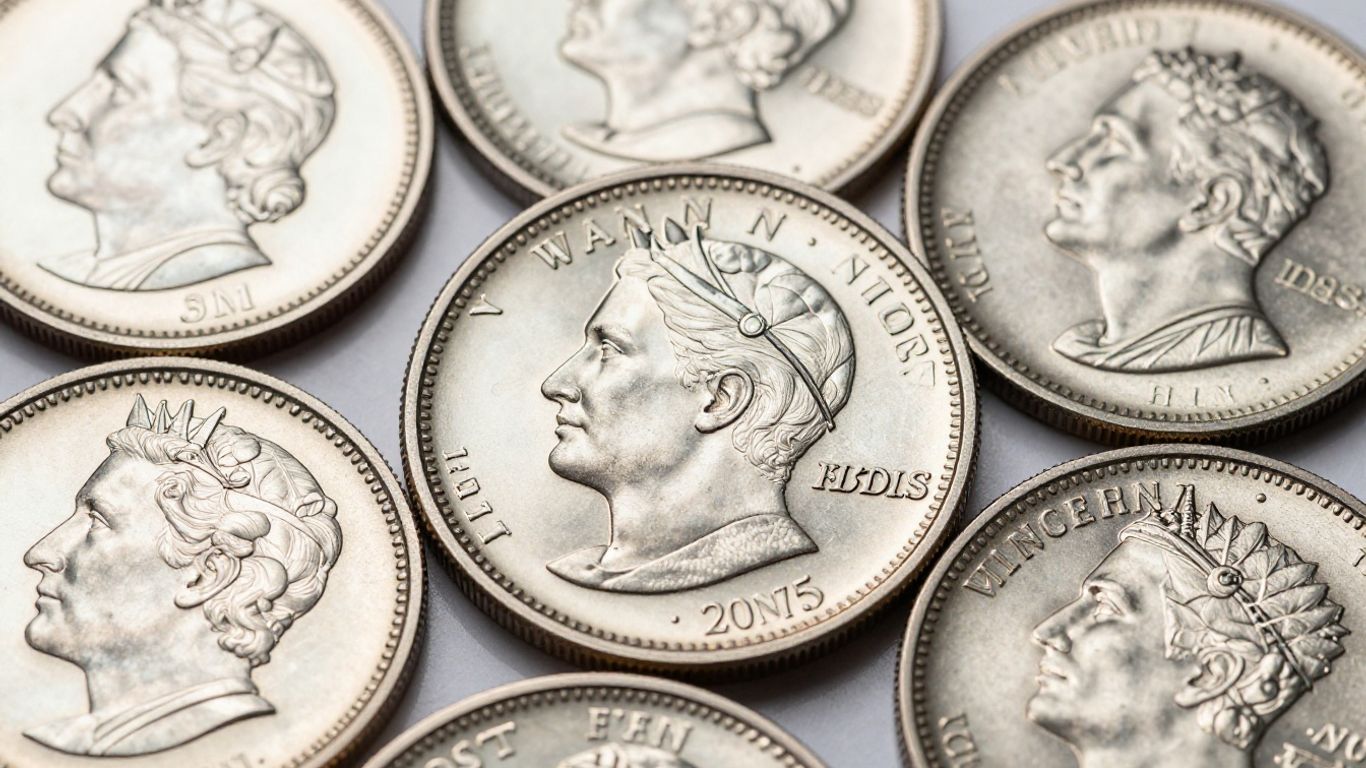
When you’re looking at proof coins, their condition is a really big deal. It’s not just about whether the coin looks okay; it’s about how well it was made and how it’s been treated since it left the mint. This is where coin grading comes in. Think of it as a standardized way to describe exactly how good a coin looks and how much wear or damage it has. For proof coins, which are made to be special and often have a shiny, mirror-like surface, even tiny imperfections can make a difference in how collectors see them. The better the condition, generally the higher the value.
Identifying Flaws and Imperfections
Spotting flaws on proof coins takes a bit of practice, but it’s worth learning. You’ll want to look closely at the surfaces. Are there any tiny scratches, even ones you can barely see? Sometimes these come from the minting process itself, or they can happen later if the coin isn’t handled carefully. You might also see what collectors call ‘hairlines,’ which are very fine scratches that can appear on the mirror fields. Then there are ‘contact marks,’ which are little dings or nicks from coins bumping into each other. For proof coins, the mint’s strike is also important – how clear and sharp are the details? A weak strike means the design might not look as strong as it should. It’s also common to see some toning, which is a change in color over time. While some toning can be attractive, other types might signal a problem or reduce the coin’s appeal.
The Role of Professional Grading Services
Because judging coin condition can be tricky, many collectors turn to professional grading services. Companies like PCGS and NGC have experts who examine coins under magnification and assign them a grade based on a widely accepted scale, usually the Sheldon scale which runs from 1 to 70. For proof coins, these services are particularly helpful because they can identify subtle issues that a beginner might miss. Getting a coin professionally graded can give you more confidence when buying or selling, and it often adds to the coin’s market value. It’s like getting a stamp of approval from someone who really knows their stuff, confirming the coin’s condition and authenticity.
Preserving Your Modern Proof Coin Collection
Taking care of your modern proof coin sets is pretty important if you want them to keep looking good and hold their value. It’s not super complicated, but there are definitely some things to keep in mind. Think of it like keeping a classic car in good shape – a little attention goes a long way.
Proper Storage Techniques
Where you keep your coins matters a lot. You want to find a spot that’s cool and dry. Avoid places with a lot of humidity, like a bathroom, or areas that get direct sunlight, which can fade packaging or even affect the coins over time. Many collectors opt for specialized coin cabinets or safes. For those with significant collections, secure storage solutions like glass vaults can offer peace of mind.
Here are some common storage options:
- Archival-Quality Holders: These are usually made of inert plastic and protect individual coins or small sets from air and moisture. They are a step up from the original mint packaging if you plan to handle the coins frequently.
- Coin Albums: Many albums are designed with slots for specific coin sets. Look for ones with acid-free pages to prevent damage.
- Storage Boxes: Sturdy boxes designed for coins can hold multiple coin slabs or holders. They offer good protection against bumps and dust.
Handling Coins to Prevent Damage
This is where the "don’t touch" rule really comes into play. Your skin has oils and acids that can damage coin surfaces over time, even if you can’t see it right away. Always handle your proof coins by their edges.
- Use Cotton Gloves: These are inexpensive and provide a barrier between your skin and the coin. They are a standard item for anyone serious about coin collecting.
- Hold by the Edge: When you must handle a coin directly, grip it gently between your thumb and forefinger along the rim. Avoid touching the obverse (front) or reverse (back) surfaces.
- Work Over a Soft Surface: If you’re removing a coin from a holder or placing it into one, do so over a clean, soft cloth or a felt-lined tray. This prevents damage if you accidentally drop the coin.
The 'Do Not Clean' Rule
This is probably the most critical piece of advice for any coin collector, especially with proof coins. Cleaning a coin, even with the best intentions, can drastically reduce its value. The original surface, the way it came from the mint, is what collectors want. Trying to polish out a smudge or remove tarnish can leave microscopic scratches or alter the coin’s natural appearance, making it less desirable.
If you think a coin needs cleaning, it’s almost always better to leave it alone. The risk of permanent damage and value reduction is too high. For very dirty coins, a gentle rinse in distilled water followed by careful air drying might be considered, but this should be approached with extreme caution and only if absolutely necessary. For most modern proof coins, this step is unnecessary.
Following these simple guidelines will help ensure your modern proof coin sets remain in pristine condition for years to come, preserving their beauty and potential worth.
Researching Your Modern Proof Coin Investments
Before you spend a dime on any modern proof set, doing your homework is pretty important. It’s not just about liking how a coin looks; it’s about understanding what makes it tick, value-wise. Think of it like this: you wouldn’t buy a car without checking its history, right? Coins are kind of the same, but with more history packed into a smaller space.
Utilizing Numismatic Resources
So, where do you start digging for information? There are tons of places to look. Books are still a big deal in coin collecting. You’ve got your classic guides, like the "Red Book" (A Guide Book of United States Coins), which is practically a bible for U.S. coins. It lists mintage numbers, historical context, and even estimated values. Beyond books, the internet is a goldmine. Websites from grading services like PCGS and NGC offer a wealth of data, including population reports (how many of a certain coin exist in a specific grade) and auction records. Don’t forget online forums and communities where collectors share insights and discuss market trends. It’s a good idea to check out resources like this coin index for a broad overview of different coin types and their histories.
Understanding Key Dates and Varieties
Not all coins from the same year and mint are created equal. Some years, or specific varieties within a year, are much rarer than others. These are often called "key dates." For example, a particular year might have had a very low mintage, or a specific die used to strike the coins might have had a unique characteristic that makes it stand out. Identifying these key dates and varieties is a big part of figuring out a coin’s true potential value. It’s these little differences that can turn a common coin into something quite special.
Tracking Market Trends and Values
Coin values aren’t static. They move up and down based on supply, demand, and even the general economic climate. Keeping an eye on auction results from major houses and checking price guides regularly will give you a feel for the market. Are certain types of proof sets suddenly becoming more popular? Are prices for older sets climbing? Understanding these trends helps you make smarter buying decisions and know when might be a good time to sell if you decide to. It’s a bit like watching the stock market, but with shiny metal discs.
Research is your first and most important investment when you start collecting. Knowing the history, rarity, and condition of a coin is what truly determines its worth, far beyond its face value or the metal it’s made from. Don’t skip this step; it’s the foundation of a smart collection.
Here’s a quick look at factors that can influence a proof set’s value:
- Mint State: The condition of the coins within the set.
- Completeness: Whether the set includes all original items, like the Certificate of Authenticity.
- Rarity: The number of sets originally produced versus how many still exist.
- Demand: How many collectors are actively seeking that particular set.
- Historical Significance: Any special events or anniversaries the set commemorates.
The Investment Potential of Proof Sets
While many collectors focus on the aesthetic appeal and historical significance of proof sets, it’s also worth considering their potential as an investment. Like any collectible, the value of proof sets can fluctuate based on various factors. Understanding these elements can help you make more informed decisions about acquiring and holding onto these special coins.
Factors Influencing Value Appreciation
Several things can affect how much a proof set is worth over time. Rarity is a big one; sets produced in smaller numbers often have a better chance of increasing in value. The condition of the coins within the set is also paramount. Even minor imperfections can significantly reduce a coin’s desirability and market price. The original packaging, including the mint’s certificate of authenticity and the protective case, also plays a role. Sets that remain in their complete, original state are generally more sought after. Finally, the overall demand from collectors and investors in the market at any given time will influence prices.
Comparing Proof Sets to Bullion Coins
It’s important to distinguish between collecting proof sets and investing in bullion coins. Bullion coins, such as American Gold Eagles or Canadian Maple Leafs, derive their primary value from the precious metal content (gold, silver, platinum). Their prices tend to track the spot price of these metals, with a small premium for their form as a coin. Proof sets, on the other hand, have a value that is a blend of their metal content, their numismatic (collector) appeal, and their rarity. While bullion offers a more direct hedge against inflation through its intrinsic metal value, proof sets can offer potential for appreciation based on collector demand and scarcity, sometimes outpacing pure bullion.
| Coin Type | Primary Value Driver | Potential for Appreciation | Market Volatility | Typical Premium |
|---|---|---|---|---|
| Bullion Coins | Metal Content | Tied to Metal Prices | High | Low to Moderate |
| Proof Sets | Numismatic Appeal, Rarity, Metal Content | Collector Demand, Scarcity | Moderate | Moderate to High |
Long-Term Wealth Preservation Strategies
For those looking at proof sets as a way to preserve wealth over the long haul, a few strategies come to mind. Focusing on sets from the U.S. Mint or other reputable government mints is generally a safer bet, as these are typically well-documented and have established secondary markets. Consider sets that represent significant milestones or have unique historical context, as these often hold enduring appeal. Building a collection of high-grade, rare proof sets, particularly those with low mintages, can be a sound approach. Patience is key; significant appreciation often takes years, if not decades. Diversifying your collection across different types of proof sets can also mitigate risk. Remember, like any investment, thorough research and a long-term perspective are your best allies.
Investing in proof sets requires a different mindset than simply buying gold bars. It’s about understanding the nuances of the numismatic market, recognizing quality, and having the patience to let your collection grow in value. While the intrinsic value of the precious metals is a baseline, the true potential often lies in the coin’s story, its condition, and how many other collectors desire it.
Building Community in Coin Collecting
Joining Numismatic Organizations
Getting into coin collecting can feel like a solitary pursuit at first, but there’s a whole world of people out there who share your interest. Joining a numismatic organization is a fantastic way to connect with these folks. Think of groups like the American Numismatic Association (ANA) or local coin clubs. These places are full of experienced collectors who are usually happy to share what they know. You can learn a lot about coins, find out about upcoming coin shows, and even get help identifying pieces you’ve found. Membership often comes with access to publications and educational resources that can really help you grow as a collector. It’s a good way to get your feet wet and find some friendly faces in the hobby.
Connecting with Fellow Collectors Online
Beyond formal clubs, the internet offers a huge playground for coin collectors. Websites and forums dedicated to numismatics are everywhere. You can find discussions on everything from the latest mint releases to debates about the best way to store your coins. Social media platforms also have groups where people post pictures of their collections, ask questions, and trade tips. It’s a convenient way to stay in touch with the collecting world, even if you can’t make it to a local meeting. Just be mindful of where you get your information; stick to reputable sites and experienced members.
Sharing Knowledge and Experiences
One of the best parts of collecting is talking about it. When you connect with other collectors, whether in person or online, you start sharing stories. You might hear about how someone found a rare coin at a flea market or learn a new technique for spotting counterfeits. In return, you can share your own finds and what you’ve learned. This exchange of knowledge is what makes the hobby so rich. It’s not just about the coins themselves, but the history they represent and the people you meet along the way. It makes the whole experience more enjoyable and helps everyone learn more.
Expanding Your Modern Proof Coin Horizons
Exploring Thematic Collections
Once you’ve built a solid foundation with general modern proof sets, you might find yourself drawn to more specific areas. This is where thematic collecting comes into play. Instead of just collecting whatever looks interesting, you start to build a collection around a particular idea, event, or subject. Think about what truly sparks your curiosity. Are you fascinated by wildlife? Perhaps a series of proof sets featuring endangered animals from different countries would be a good fit. Maybe you have a passion for history; in that case, sets commemorating significant historical anniversaries or figures could be your focus. Even something as simple as collecting all the proof sets issued by a specific mint in a particular decade can become a rewarding theme.
- Nature and Wildlife: Sets featuring animals, birds, or natural landscapes.
- Historical Events: Commemorative sets marking anniversaries, discoveries, or cultural milestones.
- Art and Culture: Sets showcasing famous artworks, architectural marvels, or cultural traditions.
- Mythology and Folklore: Coins depicting legendary figures, creatures, or stories.
The beauty of thematic collecting is that it gives your collection a narrative and a clear direction. It makes the search for new coins more focused and the eventual display of your collection more cohesive and engaging.
Trading Up for Higher-Grade Coins
As your knowledge and appreciation for quality grow, you might look at the coins in your collection and see opportunities for improvement. This is where the concept of
Your Numismatic Adventure Awaits
So, you’ve made it through the basics of coin collecting. It might seem like a lot at first, but really, it’s all about finding what sparks your interest. Whether you’re drawn to the history etched into an old penny, the shine of a proof set, or the idea of finding a hidden gem, there’s a place for you here. Don’t feel like you need to spend a fortune right away. Start with what you have, maybe some old coins lying around, or pick up a few state quarters. The most important thing is to enjoy the hunt and the stories each coin can tell. Keep learning, connect with other collectors, and most importantly, have fun with it. This hobby can be as simple or as complex as you want it to be, and that’s part of its charm.
Frequently Asked Questions
What exactly is a proof coin?
A proof coin is made in a special way by the mint. It’s not meant for everyday spending. Instead, it’s created with extra care to have a super shiny, mirror-like surface and a design that really stands out. Think of it like a special edition of a coin, made just for collectors to admire.
Why would someone want to collect modern proof coin sets?
People collect modern proof sets for a few reasons! Some love the beauty and craftsmanship of these special coins. Others see them as a way to save a piece of history or art. Plus, for some, it’s like a treasure hunt, hoping that certain sets might become more valuable over time, like collecting rare stamps or art.
Where is the best place for a beginner to buy proof coin sets?
For beginners, it’s smart to start with places you can trust. Buying directly from the official U.S. Mint is a safe bet. You can also find them at well-known coin shops or from reputable online dealers. Just be sure they have good reviews and are known for selling genuine coins.
How can I tell if a proof coin is in good condition?
Checking a proof coin’s condition is important. Look closely for any scratches, nicks, or dull spots on that shiny surface. The design should be sharp and clear. Many collectors use a magnifying glass to spot tiny flaws. Coins are often graded on a scale, and higher grades mean better condition and usually more value.
What should I do to keep my proof coins safe?
The most important thing is to handle them carefully! Always hold coins by their edges, never touch the flat surfaces, as oils from your fingers can damage them over time. Store them in special protective holders or albums made for coins, and keep them in a place that’s cool and dry, away from extreme temperatures or humidity.
Is collecting proof coins a good way to make money?
Some proof coins can increase in value, especially if they are rare or in perfect condition. However, it’s not guaranteed. Think of it more like collecting art or antiques; some pieces become more valuable, while others might stay about the same. It’s best to collect because you enjoy it first, and see any value increase as a bonus.
What are 'mint marks' and why do they matter on proof coins?
A mint mark is a tiny letter on a coin that shows which U.S. Mint facility made it (like ‘S’ for San Francisco or ‘D’ for Denver). For proof coins, the mint mark can be important because some mints might produce fewer proof coins, or a particular mint’s proofs might be more sought after by collectors, affecting rarity and value.
Should I ever try to clean my proof coins?
Generally, no! It’s a very common mistake for new collectors to try and ‘clean up’ their coins. Cleaning can easily damage the surface, remove its original shine, or create tiny scratches that lower its value significantly. It’s almost always better to leave proof coins just as they are.